The excellent and prompt round-the-clock services including life saving procedures makes our hospital one of the premier institutions for cardiac care in the city as well as the country.
We strongly believe in “Patient Centric” treatment so that informed and evidence-based decisions are taken for every patient.
Our Cardiology Department was been ranked as one of the best in Mumbai and in India as per the latest survey published in Times Of India.
All cardiac tests right from preventive health check up to advanced cardiac diagnostics are available under one roof. The standard operating procedures for these tests (right from giving appointments to performing the tests and explaining and handing over the reports) are designed keeping patient’s comfort, ease and safety in mind. The hospitality and smiles of our support staff goes a long way in enhancing patients’ and caregivers’ experience of going through these tests.
Highlights
Department of Non-Invasive Cardiology
Electrocardiograph - ECG
Transesophageal Echo (Echo through food pipe)
Holter Monitoring
Treadmill Stress test
Dobutamine Stress Echo (Dobutamine Stress Echo)
24 hrs Hours Ambulatory BP Monitoring
Echocardiography / Colour Doppler
Fetal Echo
CT Coronary Calcium score assessment and CT Coronary Angiography
Echocardiography (Echo) with Contrast
3-Dimensional Echo
Department of Interventional Cardiology
Cardiac interventional procedures demand highest standard of skills, precision and focus along with judicious decision making. Our highly trained and proficient interventional cardiologists work dedicatedly to provide the best possible care required for complex cardiac ailments.
More than 14,000 cardiac interventions including complex angioplasties have been performed in the Cathlab of this institute with phenomenal success rate. Apart from day to day angiographies and angioplasties, complex interventions like Left main angioplasties, bifurcation angioplasties, calcium debulking therapies like rotablation, intravascular lithotripsy, intravascular imaging guided angioplasties are performed here.
Other cardiac therapies like Permanent and temporary pacemaker implantations, electrophysiology studies, Structural heart interventions including Transcatheter Aortic Valve implantation (TAVI), peripheral interventions of the kidney, brain, leg or intestinal arteries are done routinely at this centre.
The hospital is well equipped to handle cardiac emergencies like:
- Myocardial infarction (Heart Attack)
- Acute Decompensated Heart failure
- Cardiac arrhythmias
- Cardiac arrest
It has round the clock Cardiac Cathlab with surgical and Intensive Care Unit backup.
Interventional procedures performed routinely are
Coronary Angiographies
Imaging Guided Angioplasties
Intravascular Ultrasound and Optical Coherence Tomography.
Cardiac Resynchronization Therapy
Peripheral Blockages
Hands and legs, kidney, brain and intestinal vessel angioplasties.
Fractional Flow Reserve (FFR)
Physiological and functional assessment of the severity of blockages.
Bifurcation and Left Main vessel Angioplasties
Implantable Cardioverter Defibrillator Implantation
Cardiac emergencies
Coronary Angioplasties
With the use of latest 4th generation FDA approved drug eluting stents with thin struts and absorbable polymers.
Calcium Debulking Therapies
Rota ablation and Intravascular Lithotripsy.
Congenital Heart Disease
Closure of defects ASD/VSD/ PDA in pediatric and adult patients.
Post bypass Graft Angioplasties
Pacemaker Implantations
Electrophysiology study and Radio frequency ablations
Department of Cardiovascular & Thoracic Surgery
The cardiac surgical department has been catering efficiently to both routine and complex surgeries. The department offers round the clock cardiac theatre facilities whereby even emergency cardiac surgeries can be carried out. Hundreds of cardiac surgeries have been performed here with excellent outcomes beating international benchmarks.
A robust Cardiac rehabilitation program by a dedicated team of Cardiac Physiotherapists begins preoperatively and ensures early recovery after surgery.
Coronary artery bypass surgery. (Conventional)
Surgery for Aortic aneurysms both thoracic and abdominal
Beating heart Coronary artery bypass surgery (Off pump).
Correction of congenital cardiac anomalies.
Minimally invasive bypass surgery
Surgeries for peripheral arterial disease – Iliofemoral and Femoropopliteal bypass
Aortic and Mitral valve replacement surgeries
Technology & Infrastructure
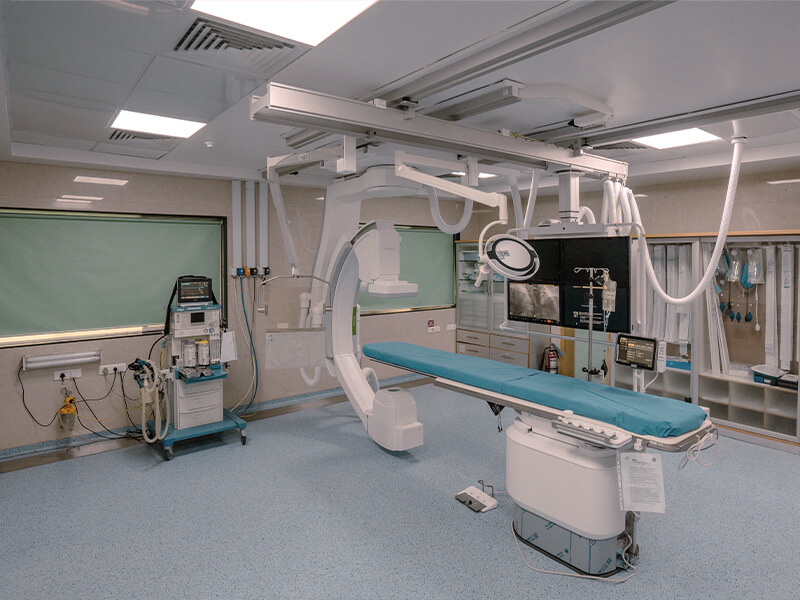
Our state of the art Catheterisation lab is equipped with the latest machineries catering to both simple and complex coronary angioplasties. Newer cardiac interventional techniques like Fractional Flow Reserve (FFR), Rotablation or Intravascular lithotripsy of hardened calcium deposits, and Intravascular ultrasound (IVUS) and optical coherence tomography (OCT) of the coronary arteries, Transcatheter Aortic Valve implantations (TAVI) can also be executed here. Facilities like intra aortic balloon pump and emergency cardiac surgeries are available within hospital. Our Interventional team is available 24/7 to help patients with any cardiac emergency. Availbility of Intensivists and other subspecialities like Nephrology and Neurology who work in synchrony with our Cardiologists help us manage complex cases.
- A very vibrant Non Invasive Cardiology Program with latest versions of ECG machines, Echocardiography machines, Holter monitors and treadmill machines, 128 Slice Dual Source CT scan for CT Coronary Angiography
- Intraaortic balloon pumps for hemodynamic support in critically ill patients.
- Advanced Cardiac Cath Lab.
- Dedicated Cardiac Operation Theatres
- Fractional Flow Rate (FFR) for better diagnosis
- Cardiac Electrophysiology for managing Cardiac Rhythm Abnormalities
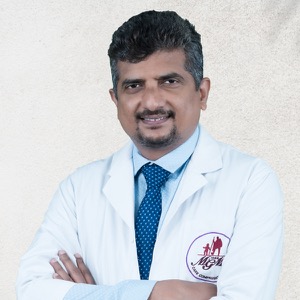
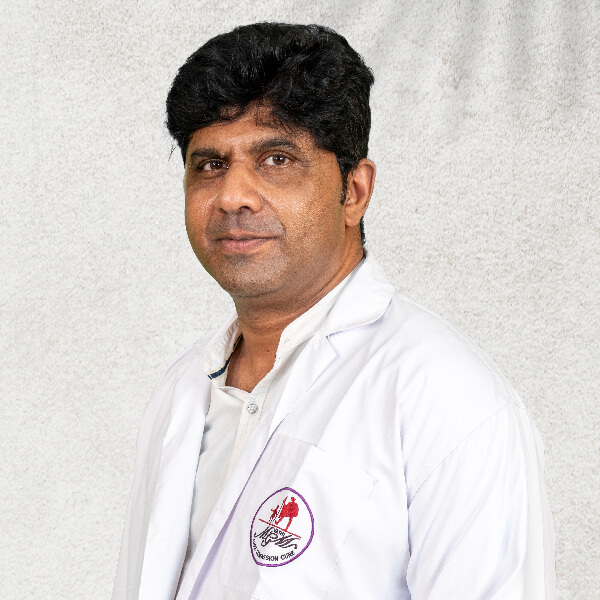
Cardiology Specialists
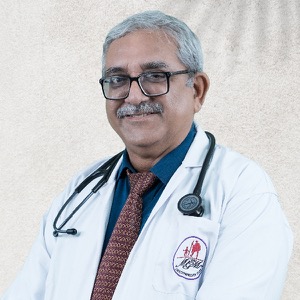
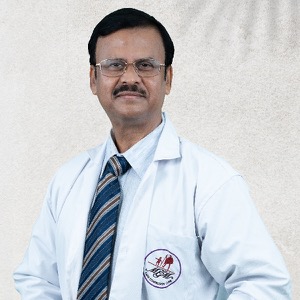
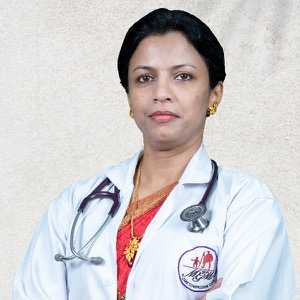
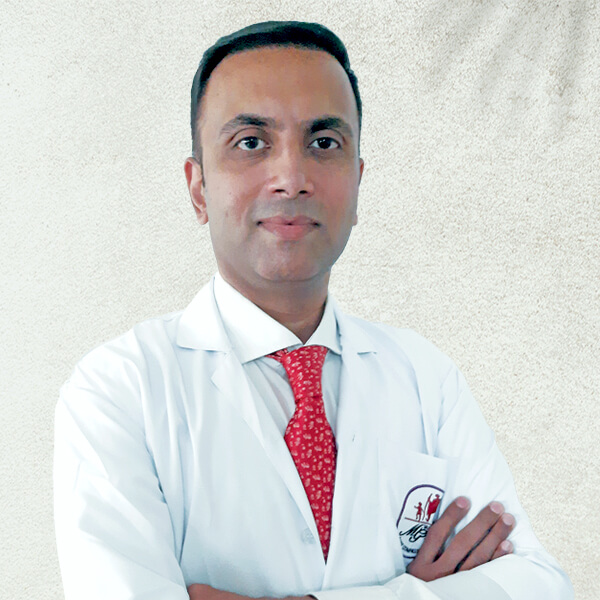
Cardiology CVTS Specialists
Related Care Centers
FAQs
What is a heart attack?
What are the symptoms of a heart attack?
- Chest pain or discomfort at the center of the chest
- Pain in the left arm and shoulder, neck, jaw or back
- Sweating
- Feeling of weakness or dizziness
- Difficulty in breathing
- Rapid heartbeat
- Nausea or vomiting
Can a heart attack occur even without any symptoms?
Yes, it can – it is known as ‘Silent MI’
What are the risk factors for heart disease?
According to American Heart Association, the major risk factors are:
- Age above 65 years
- Men have a higher risk than women
- Positive family history
- Cigarette smoking
- High blood pressure
- High cholesterol
- Inactive lifestyle
- Overweight
- Diabetes
What is Coronary Artery Disease (CAD)?
When the blood vessels (called coronary arteries) which supply blood and oxygen to the heart are narrowed, it causes CAD, which can also cause a heart attack.
What is high blood pressure or hypertension?
It is a disorder in which the pressure in the arteries is persistently high.
How to reduce high blood pressure?
Lead an active lifestyle, don’t be a couch potato!Opt for a low salt diet, maintain an appropriate weight, and avoid alcohol intake and smoking.
What is a heart murmur?
It is the sound made by blood circulating through heart chambers and valves. These can be heard via a stethoscope. A heart murmur can occur in various cardiac diseases. Depending upon the type of murmur, your cardiologist will guide you regarding further evaluation, if required.
What is Electrocardiogram (ECG)?
ECG is a non-invasive diagnostic test that measures and records the electrical activity of the heart.
What is cardiac stress test (also known as a treadmill test)?
It is used to diagnose coronary artery disease. During this test, you will have to walk on a treadmill while the physician will regularly monitor your ECG, heart rate, and blood pressure.
What is Echocardiogram?
It is commonly known as Echo. It is a non-invasive and painless test. It gives precise information about the heart structure, valves, and the pumping capacity of the heart. It is a very comfortable test in which you have to lie on an examination table, lubricating jelly is rubbed to the chest, and a probe (like a thick blunt pen) is placed on the chest, which picks up the cardiac activity.
What are healthy heart foods?
Oats, Almonds, Green leafy vegetables, Soy Protein, Olive oil, Tomatoes, Whole grains( wheat, pulses), Tofu, Brown rice and Tuna.
What are the exercises to maintain a healthy heart?
- Aerobic exercises for 20 -30 minutes daily, at least 3-4 times per week
- Remember to warm up before your workout as well as a cool down after it
- Gradually increase your activity level
- According to Harvard Health Publication, Yoga does have beneficial effects on the heart as well
- Most importantly, talk to your doctor so that you do not overexert yourself
How to increase physical activity?
- Avoid using the escalator; instead, use the ramp or stairs
- Use a bicycle or walk rather than using a vehicle for short distances
- Make the weekends more productive- choose an outdoor activity with your friends or family
Does stress contribute to cardiac disease?
Yes, it does. Stress can be emotional or physical. While it is not always easy to avoid stress, you can reduce it and maintain a positive attitude, which will help you combat stress.